
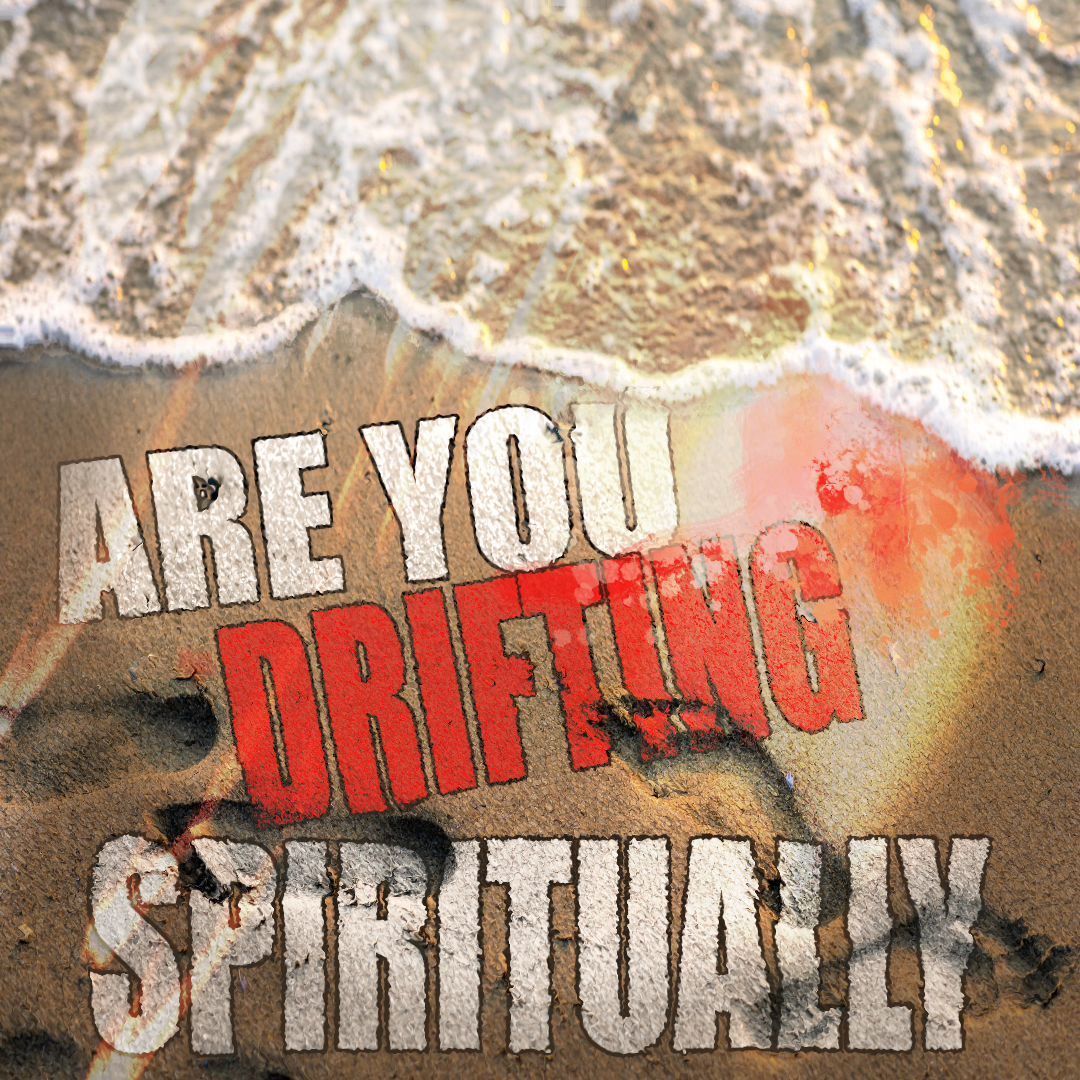

Recognizing Spiritual Drift
Ever felt like your soul is running on fumes?
You’re showing up to church, serving, reading your Bible… yet something feels off. You’re doing all the “right” Christian things. You used to love engaging in discussions about God, but not anymore. The fire isn’t there anymore.
If that’s you, you’re not broken—and you’re not alone.
What you might be feeling is called spiritual drift.
This post is part of The Drift Series, where we explore how our souls slowly grow silent—and how to find our way back to peace, purpose, and closeness with God.
What Is Spiritual Drift?
Spiritual drift doesn’t happen overnight. It’s not rebellion—it’s a slow gradual slide.
Think of a boat anchored on a still lake. Over time, a light breeze moves it inch by inch away from shore. There’s no splash, no alarm. Just distance.
That’s what happens to our hearts when we stop noticing our spiritual health.
We don’t walk away from God—we simply drift.
And before long, we realize our prayers are dry, our worship feels empty, and our souls are tired.
The good news? You can always re-anchor. You can always come home.
Faith’s Story (and Ours)
Meet Faith.
She used to be on fire—serving, hosting, praying, worshiping. Her faith wasn’t perfect, but it was alive. It felt vibrant.
Then life got heavy. Work deadlines, family needs, service in ministry, and exhaustion set in.
Faith kept showing up—but her spark faded. Her Bible became a checklist. Her prayers became short and silent. Sometimes her prayers were absent.
She didn’t walk away from God—she just grew quiet.
Maybe you’ve been there too.
You love God, but you feel far.
You’re not rebelling—you’re drifting.
The 3 Hidden Traps That Cause Spiritual Drift
1. Burnout: Over-Served, Under-Refilled
You pour into others but never refill. You serve, lead, help—but your soul runs dry.
Even Jesus took breaks: “Come away by yourselves to a quiet place and get some rest.” (Mark 6:31–32)
Rest isn’t weakness—it’s worship. The Sabbath was meant to help you rest, restore, and replenish.
2. Bore Out: When Faith Feels Flat
You’ve been faithful, but everything feels repetitive. You read, pray, attend multiple services—but nothing stirs. Everything feels repetitive and redundant.
This doesn’t mean your faith is dying. It means you need fresh rhythms.
Try prayer walks, journaling, a new Bible translation, or silence. God isn’t boring—our routines sometimes are.
3. Apathy: The Quiet Numbness
You’re not angry—you’re just numb.
Usually, apathy hides pain or disappointment. Maybe you’ve prayed unanswered prayers or been hurt by people.
Psalm 34:18 says, “The Lord is close to the brokenhearted.”
Apathy is your soul’s way of saying: “Something needs healing.”
Be honest with God about the hurt. Healing begins with honesty.
🔍 How to Know If You’re Drifting Spiritually
Here are 10 common signs:
- Worship feels like a performance.
- Prayer is dry or absent.
- Serving feels like a chore.
- The Bible feels like a textbook.
- Conviction and hunger are replaced by indifference.
- Christian community feels draining.
- You’re more excited about everything else.
- Your attitude toward sin softens.
- You avoid deep spiritual conversations.
- Life feels stuck or directionless.
If even one resonates, don’t feel shame—feel invited.
God’s not mad about your distance. He’s ready to draw you near again.
Why Spiritual Drift Happens Beneath the Surface
Most drift comes from three sources:
- Burnout — too much output, not enough input.
- Bore Out — too much routine, not enough wonder.
- Apathy — too much pain, not enough healing.
In Matthew 11:28, Jesus says:
“Come to me, all you who are weary and burdened, and I will give you rest.”
He doesn’t say “try harder.”
He says “come closer.”
“Come to me, all you who are weary and burdened, and I will give you rest.”– Jesus Christ (Matt. 11:28)
The Domino Effect of Spiritual Drift
Spiritual drift doesn’t stay spiritual. It affects everything:
- Relationships: You withdraw or lose patience.
- Purpose: You forget your “why.”
- Peace: You feel restless and empty.
But here’s the hope—recognizing it is the turning point.
Once you see the drift, you can stop it.How to Reset Your Soul
Here’s how to start your comeback from Spiritual Drift:
1. Get Honest
Admit where you are—burned out, bored, or numb.
God can heal what you’re willing to reveal.2. Rest
Take real rest. Step away from noise, ministry, and pressure.
Jesus rested. You can too. This means saying, “no” to more “Opportunities to serve.”3. Change It Up
Try new rhythms—different prayers, music, or study habits.
Let your relationship with God breathe.4. Invite Community
Don’t isolate. Reach out to“SAFE”people who can listen, pray, and walk with you.
5. Ask God for Hunger
You don’t have to feel spiritual to pray this:
“God, make me hungry for You again.”
He always responds to honesty.
The Invitation Back
So, where do you see yourself?
Burned out? Bored? Numb?Take one small step this week:
- Journal.
- Rest.
- Take a walk and pray.
- Tell God how you actually feel.
He’s not waiting for perfection—He’s waiting for presence.
You don’t have to chase Him; you just have to turn around.Join the Conversation
If this post spoke to you, share it with someone who needs encouragement.
Leave a comment:
👉 What part resonated most with you?
👉 Have you felt yourself drifting spiritually before?And remember—
Don’t live by default. Live by design. God’s design.✝️ Scripture References
- Mark 6:31–32
- Matthew 11:28–30
- Isaiah 43:19
- Psalm 34:18
- John 10:10