

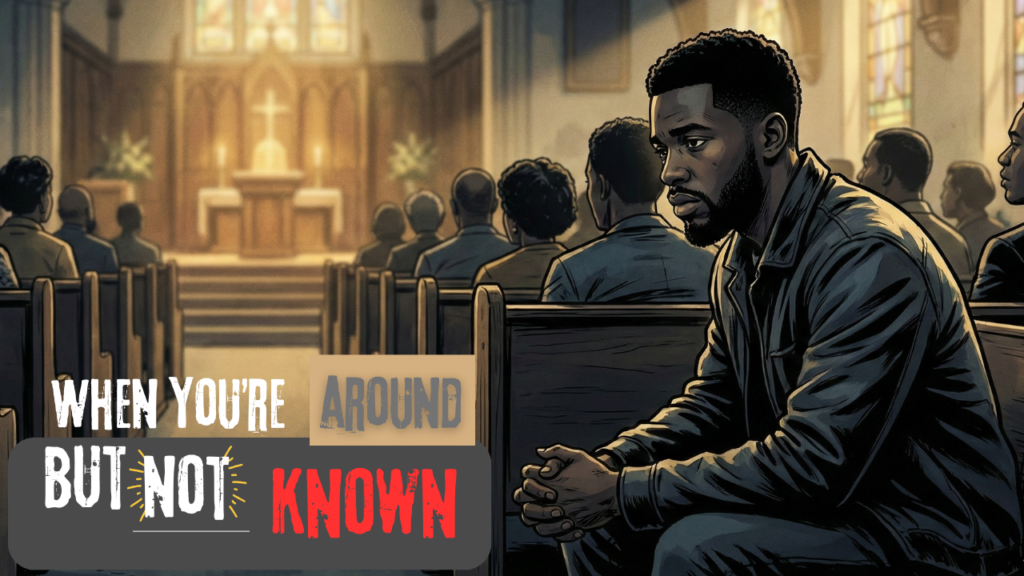
The Gradual Shift from Active Belonging and Engagement to Mere Attendance
Many of us know the ache of showing up, singing the songs, and slipping out before anyone can ask a real question. That quiet slide from belonging to merely attending is a form of community drift, and it rarely announces itself. It starts with fatigue in the body and shame in the mind, then spreads into our calendar and our choices. The result is a life lived near people of faith without being formed by them. We trade family for audience and formation for consumption, and we start measuring Sundays by the setlist and sermon clips rather than by the people who can spot when we’re not okay. This post examines why this shift matters, how it occurs, and what to do next if you want to transition from default to design.
Community isn’t extra credit for extroverts; it is discipleship’s operating system.
Community isn’t extra credit for extroverts; it is discipleship’s operating system. Scripture frames following Jesus as a shared life: one body with many members, bearing burdens, confessing sins, stirring one another to good works, and not neglecting to meet. You can stream sermons and scroll inspirational quotes, but you cannot practice the “one anothers” in isolation. Without embodied, imperfect people, your thoughts go unchallenged, your blind spots widen, and your emotional load grows heavier. Real community refines you in ways a feed never will. It is messy and inconvenient, but it is also the furnace where courage, patience, and joy are forged.
Five Signs You’re in Community Drift
Five warning lights often signal drift. First, you’re physically present but functionally unknown; people know your name, not your battles. Second, church becomes content to rate rather than family to invest in. Third, you ghost when conversations get real, pulling back when someone asks a hard question or needs you. Fourth, you live off old stories of closeness that no longer match your present life. Fifth, you feel more like a critic than a contributor, diagnosing problems without asking God how to serve. None of this starts with a villain’s plan. It often starts with hurt, shame, busyness, or a hunger for control that keeps you safe but small.
Community Drift and Church Hurt
Hurt is common and real. Gossip, broken trust, minimized pain, and spiritualized dismissal can make your heart vow never to risk again. Shame isolates, too. Old habits return, an unhealthy relationship winds tight, and the fear of being seen pushes you to the edges. Busyness offers a respectable script—new job, new baby, longer commute—until “just a season” becomes the new normal. Individualism whispers that faith is private and pure when it avoids people, while control convinces you that distance protects you from expectations and misunderstandings. These drivers feel self-protective, yet they slowly starve your soul.
The Effects of Community Drift
Drift reshapes every part of you. In the soul, your attachments shift from people to screens and fantasies. In the mind, unchecked stories harden into suspicion or despair. In the body, stress and loneliness steal sleep and energy, teaching your nervous system to carry everything alone. In time, your calendar proves what you worship; there’s room for escape but not for connection. By contrast, community by design regulates the nervous system through co-regulation, sharpens thinking through feedback, and anchors your heart through shared rituals of prayer, service, and celebration.
Reconnecting to the Community After Drifting from the Community
So how do you rebuild? Start small and honest with the Circle of Connection. Sketch three concentric circles: inner circle (two or three who know your real life), shared walk (five to twelve you see regularly and serve with), and casual community (the wider group you greet and worship alongside). Write names. Notice the empty spaces. Then choose one connection move for the next 7 to 14 days: unmute a group chat and engage, text a trusted friend to meet for coffee, return to a small group you’ve avoided, or step into a serving role that fits your gifts. You’re not building instant best friends; you’re breaking inertia.
Use simple reflection prompts to clear fog: When was the last time someone saw the real me? What past wound limits my closeness? Do I treat church like a show or a family? Am I waiting for perfect instead of showing up imperfect? If God often guides me through his people, how would I lean in differently this month? Finally, ground your practice in a short rule of life: I am not meant to follow Jesus alone. I will not neglect the people God has given me. I will move from audience to family and from hiding to being known. That confession, lived in small, consistent steps, turns drift into design.