

What is Vocational Drift?
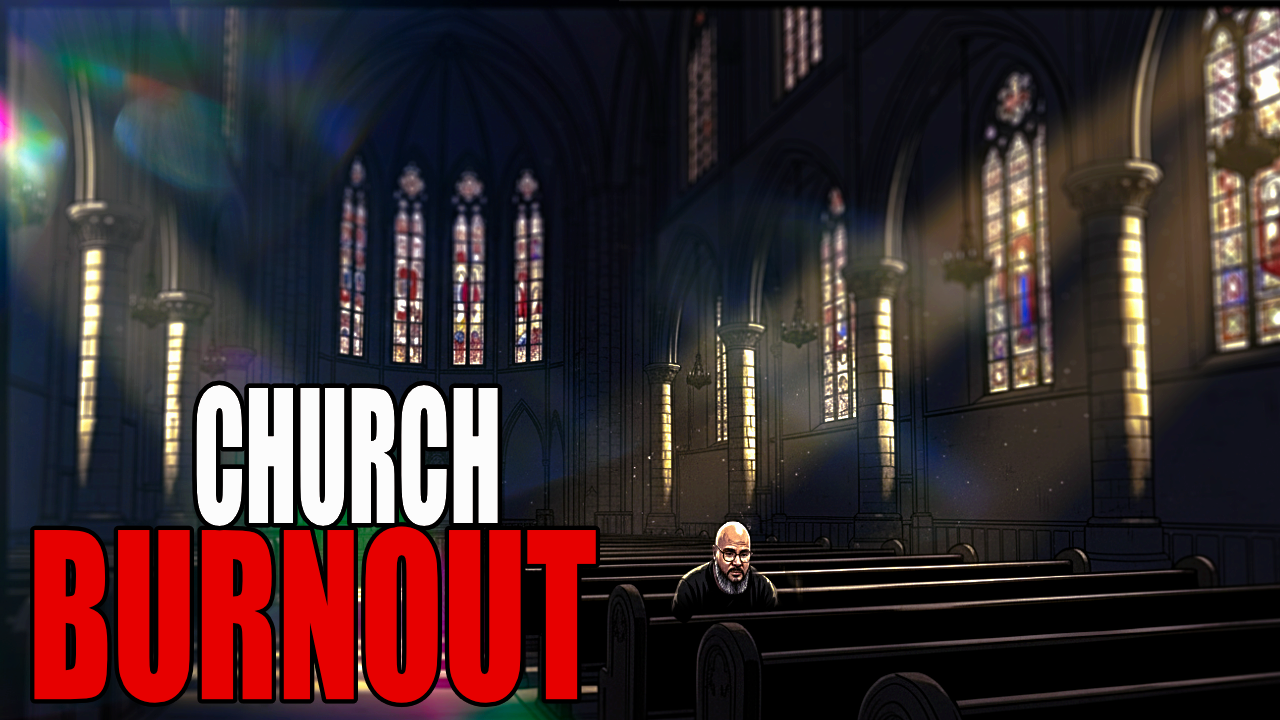
Many of us don’t drift with a bottle in hand but with a calendar full of meetings, a phone stacked with emails, and a heart quietly starving for meaning. This episode holds up a mirror to vocational drift—the slow shift where work stops being an expression of calling and becomes our identity, our escape, or our captivity. It often begins with gratitude and purpose, then—almost invisibly—morphs into dread, resentment, or numbness. The paradox is painful: on the outside, you’re praised for reliability and production, while inside, your soul whispers that something essential is off. Recognizing that misalignment is the first line of defense it marks the moment we decide to stop living by default and start working by design.
Symptoms of Vocational Drift
The clearest symptoms of drift are easy to miss because the world rewards them. Chronic burnout gets normalized in adulthood. Resentment replaces early gratitude. Mood swings tethered to metrics, promotions, or likes. Work becomes a holy addiction—socially praised yet spiritually corrosive—used to avoid conflict, loneliness, or emptiness. Then comes disconnection from gifts: you’re competent but not alive, productive yet partial, fantasizing about change while fearing any step toward it. Beneath it all lies an attachment to a role so tight that the thought of losing a title feels like losing oneself, exposing a fragile identity fused to output rather than rooted in something deeper and steadier.
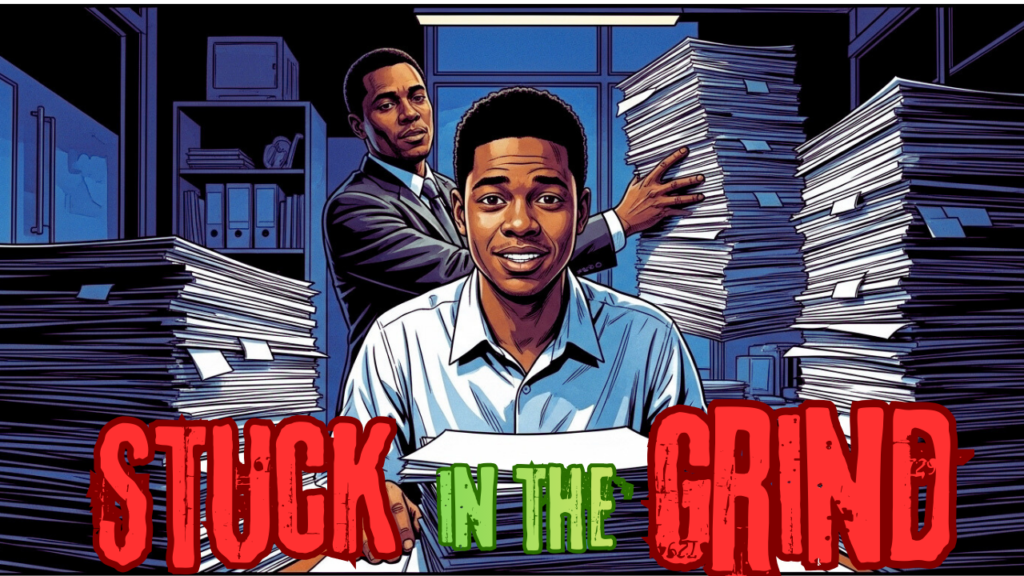
Drift rarely arrives in a crash; it accumulates in steps. It starts with good desire—provide, serve, build—then responsibility grows while your rhythms don’t. You stop leading your schedule and start reacting to it, saying yes to survive rather than to align. Identity fuses to performance; threats to your role feel like threats to yourself. The grind turns into both refuge and prison: a place where you feel competent and valued, yet also trapped and estranged from your own soul. Years later, you hold a tidy resume and a tired heart. This trajectory isn’t inevitable, but it is common—unless you zoom out, tell the truth about where you are, and practice a different way.
Work VS Calling: Reframing Vocation
A richer vision of work reframes everything. Work was woven into creation before the fall, meant to be meaningful, creative, and cooperative with God. Work can be worship, but it cannot replace God; when it does, a gift becomes an idol. Calling is larger than any single role: to love God, love people, reflect Christ, and steward what you’ve been given. Jobs change and seasons shift, but calling endures. That lens exposes two extremes: over-identification (I am my work) and disengagement (I’m here, but my heart left long ago). Both bury calling—one under hustle, the other under bitterness. The correction is not romanticizing a perfect role but recovering a designed posture within real constraints.
Turning Around
To move from default to design, try a vocational audit. Start with emotional patterns: what do you most feel about work—anxiety, numbness, or gratitude? Note where you feel alive versus drained, without judgment. Name where work functions as an escape from hard conversations or spiritual dryness. Trace the story—when did the drift begin, what changed, and what remains unhealed? Then discern: posture or placement? Sometimes the right job suffers from the wrong rhythms; sometimes fear chains you to a place you’ve outgrown. With clarity, re-anchor your days: brief morning surrender, midday pauses, and evening review to remember who you belong to. Set boundaries that match calling, not fear—one real sabbath day, genuine noes, and humane limits. Re-engage gifts in seed form where you are: mentor someone, start a small creative project, bring your unique wiring into current tasks. Not every season feels aligned; preparation and provision seasons still count when you steward them with honesty and hope.
Finally, tether identity to something stronger than performance. Ephesians 2:10 gives the bedrock: you are God’s workmanship, created in Christ for good works prepared in advance. That truth dismantles the lie that you are just a role, a paycheck, or a platform. It frees you to hold your job with open hands, to choose wise rhythms, to serve with excellence without worshiping the work. Take one small step—from default toward design—and let coherence grow as you align posture, practices, and placement with who you truly are.