




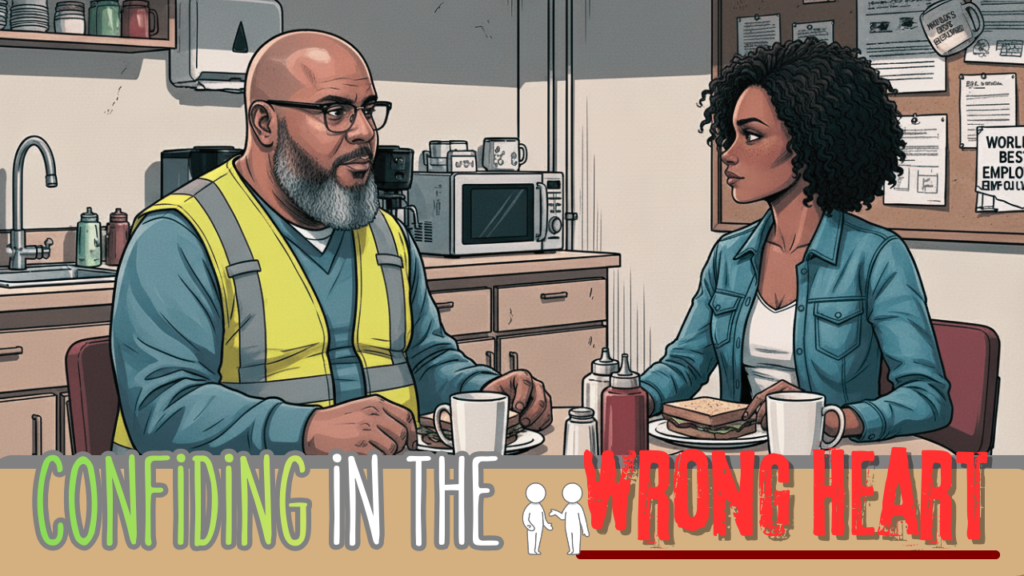
Emotional Drift’s Nature
Emotional drift rarely announces itself with fireworks. It begins with a sigh in the car after work, a pause at the kitchen table, the moment you feel unseen in your own home. Those tiny aches hunt for relief, and if left unnamed, they audition substitutes that promise validation without covenant. This episode names that in-between space and explains why hearts wander toward emotional affairs long before anything physical happens. The story is slow, subtle, and often hidden behind church attendance, shared prayers, and the right words. We surface the truth with clarity and compassion, so listeners gain language for their inner life and guardrails for their choices.
We define a wandering heart as one that stops being honest with God and starts quietly testing replacements.
We define a wandering heart as one that stops being honest with God and starts quietly testing replacements. Scripture warns that the heart is complicated and needs guarding, not shaming. From that lens, the drift path becomes clear: spiritual disconnection thins prayer and makes substitutes feel close; emotional loneliness turns spouses into roommates; unmet needs fuse with unspoken resentment; then a well-timed listener appears, offering relief that feels deserved. Negotiations start internally, secrecy grows externally, and the heart invests where the covenant with your spouse doesn’t cover. Recognizing these stages early allows us to steer back toward design rather than drift toward damage.
Emotional Drift has Triggers
Under the hood sit deeper roots. Unprocessed pain from childhood rejection or criticism primes the soul to chase compliments as medicine. A hunger for validation splits by gendered scripts—questions about respect, desirability, and worth—but the core is the same: proof-seeking replaces God-centered identity. Boredom and numbness make novelty feel like oxygen, a counterfeit revival that spikes and crashes. Quiet resentment builds a private case file against a spouse, making outside empathy feel like a reward. Add spiritual warfare’s whispers—“You deserve this” or “No one will know”—and good desires get twisted into justifications.
Signs Your Heart has Drifted
We draw a clear line around emotional affairs: giving intimacy, loyalty, and emotional energy to someone outside the covenant, even without physical touch. The warning signs are practical and convincing: anticipating their messages more than your spouse’s, sharing deeper layers with them, venting about your spouse, hiding the relationship, and replaying what-if scenarios. These patterns drain the soul with low-grade anxiety, hollow marriages by siphoning emotional focus, and blur callings through divided attention. Training your heart to escape now becomes a habit that follows you into future commitments.
Turning Around Before it Goes Further
The return is possible and concrete. We begin with an honest confession that names the person, the pattern, and the need beneath the behavior. Then we ask what we were truly seeking—comfort, validation, control, adventure—and invite God to meet that need the right way. Community matters, but choose it wisely: a trusted pastor, a Christian counselor skilled at careful excavation, a same-sex mentor, or a truth-telling friend who is gentle and safe. Boundaries must become real: end private chats, go public and brief at work, remove social media access, or change environments if needed. It isn’t punishment; it is protection.
To move from default to design, we offer the seven-day heart inventory: each evening, jot where your heart drifted—toward God or a substitute—and what emotions or triggers preceded the choice. At week’s end, spot patterns in times, people, and impulses. Pair this with design check-in questions: who you’re most honest with, whose name excites you, what threads you would hide, what needs feel unmet, and where today’s path leads in six months. Guarding your heart is not wall-building; it’s guided openness—honest awareness, intentional shaping, and brave boundaries that return you to God’s design.